
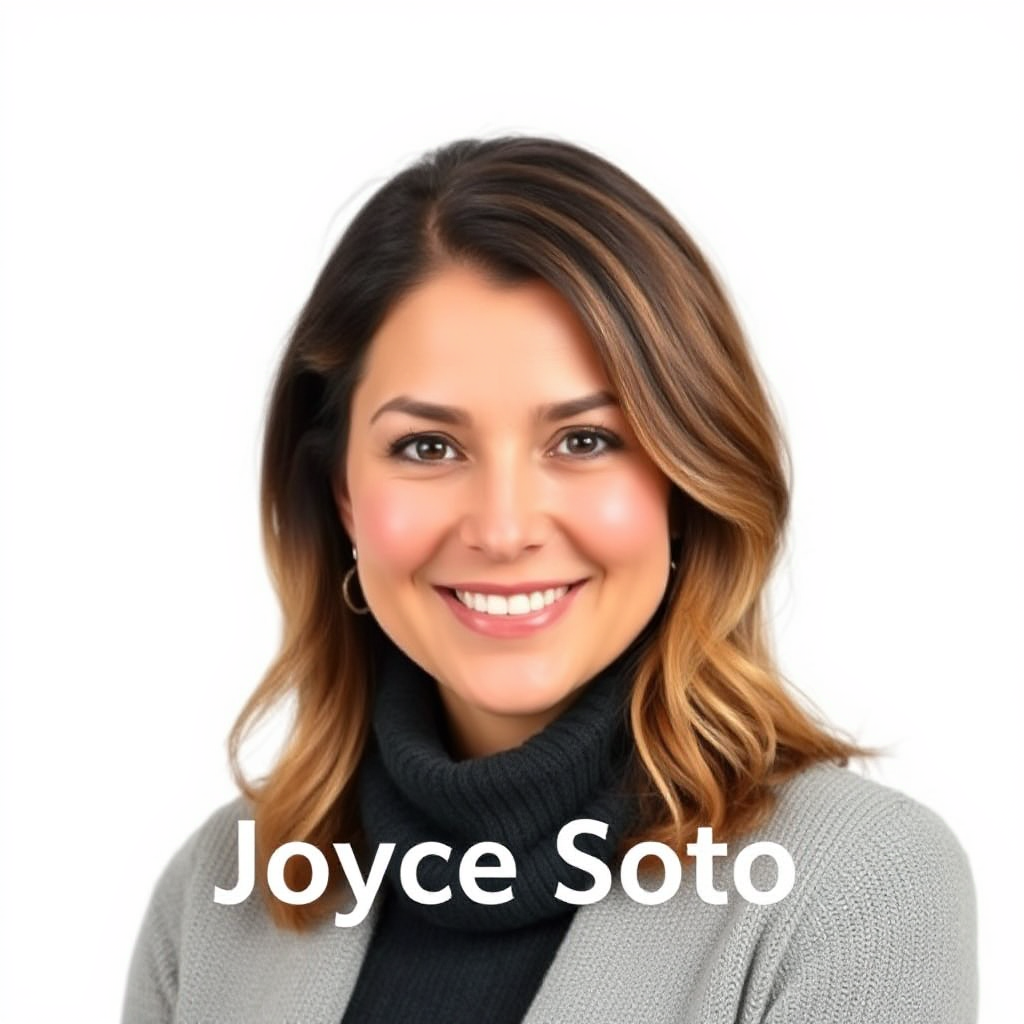
At times, healthcare worker Lorna Grinnell-Moore is met with a sudden dial tone. Frequently, she finds herself hearing to the most outlandish conspiracy theories and, on one occasion, she remembers being subjected to abuse.
"It's certain there will be people of that sort, unwilling to accept information, and you feel you've failed."
Yet, this comprises the day job for Lorna. She's been calling households whose children have missed out on measles, mumps and rubella (MMR) vaccinations to persuade them to get immunised. Low vaccination rates mean the disease has been able to spread in the city, mostly affecting children under 10 years old.
An Active Strategy
Lorna has prior experience - she was a member of a group of NHS workers that completed thousands of telephone contacts in just three months after a surge in measles cases in late 2023 affected hundreds of children. These conversations alone led close to a thousand previously hesitant guardians and adolescents to accept the opportunity vaccination.
In north London, which is grappling with a measles surge, health leaders are studying places like Birmingham for methods to control it. Fifty cases have been confirmed so far this year, mainly among young children, some of whom have been required inpatient care.
Bringing Back Retirees
Amidst the city's 2023 surge, some former doctors and nurses were brought out of retirement, similar to the pandemic. This time though, rather than giving injections, they were being deployed to persuade people to get them.
Their mission involved placing follow-up calls to guardians and individuals in the under-25 bracket to talk about their hesitancy receiving the immunization against a disease that can have grave complications - encompassing brain inflammation and vision impairment and, in uncommon instances, death.
Now, Lorna, clinical service lead for vaccination, and a team of nurses have been enlisted to restart the phone campaign as there is another uptick in measles.
Navigating Difficult Conversations
This is challenging work. It requires a specific methodology which involves attentive listening and seeking to appreciate the caller.
"Once I get a handle on their point of view, I can then respond to their concerns," states Lorna. "At times they pay attention, and sometimes they say they are finished talking."
"It's not about being the bossy matron."
If people are prepared to continue the conversation, Lorna feels she can then address their fears or worries about the vaccine and aid in reducing them.
Guidelines and Assistance
The rule is to call only three times. Another rule avoids leaving voicemails due to potential confusion. Staff members fluent in a range of tongues, including French, Italian, Arabic and Urdu, can help with making calls when the primary language isn't English.
In addition to the call initiative, the collaborative outbreak team also runs an public awareness drive and engages with neighborhood associations.
Measurable Impact
The citywide effort has had a real impact. During 2024, an extra 7,000 vaccinations were administered – and the total number of jabs was 20 percent greater than the prior period.
Specifically, there had been reduced immunization rates among specific communities, such as Roma, Eastern European, South Asian, and Black communities.
Communication obstacles were tackled by increasing the material available in various tongues, utilizing QR code technology that lead to explanatory videos outlining the positives, alongside the traditional poster campaigns.
Doctors' Surgeries Adapt
A number of primary care clinics have also started doing their own reminder and follow-up programs. An example is Hall Green Health, which has even taken it a step further by scheduling face-to-face meetings to parents who are hesitant so they can talk about their worries in person with a GP.
"I believe we have grown too relaxed about the genuine dangers of measles," states Dr. Sonia Ashraf, a partner.
She notes there exist various reasons that make people hesitant. The fact MMR contains pork gelatine is one thing they see, however, this has a straightforward solution by providing the alternative of the jab that is free from gelatine.
Long-refuted data from the 1990s wrongly connecting the vaccine to autism also often arises, while some parents also worry about the quantity of scheduled immunizations offered to children. Before turning five, they will have been invited to get immunised six times.
"Some parents question the necessity for numerous vaccines or think that their children are healthy enough these diseases," notes the doctor. "We carefully explain the scientific data with them – there is a lot of misinformation out there."
Funding Challenges and Future Outlook
The proactive calling system has since been extended to additional clinics. Yet, owing to financial constraints, it is something that can only be done on a limited basis. By the following year, vaccination levels declined again to earlier, lower levels, leaving the city still well below the 95% threshold needed for herd immunity.
Even with periodic rises in infection, there has been nowhere near the scale of cases that were seen previously, when diagnoses surpassed five hundred.
A public health lead, says the outreach approach "is really effective" but "not a perfect solution" and needs to be paired with additional measures. Ideally, he says it would be implemented more broadly but more resources are necessary.
The present financial support for the program runs until the conclusion of the current fiscal period.
The Wider Context
This strategy isn't unique to use this technique. Various other regions have undertaken analogous programs.
However, improving rates countrywide has remained a struggle. At present, under 85 percent of children have had both required shots by the age of five.
"It poses a significant problem," explains a professor. "The factors behind non-vaccination are complicated and diverse. A point commonly missed is accessibility. For


